
Microfibre has become one of the most popular upholstery materials in Australian homes over the past two decades — and for good reason. It is soft, durable, and widely marketed as stain-resistant and easy to clean. But does the reputation hold up when it comes to real-world spills and professional cleaning? Here is an honest look at microfibre upholstery and what you actually need to know to keep it in good condition.
What Is Microfibre Upholstery?
Microfibre is a synthetic fabric made from extremely fine polyester or polyester-nylon blend fibres — typically less than one denier in diameter, which is finer than silk. The dense, tightly woven structure gives microfibre its characteristic softness and gives it a suede-like appearance in many furniture applications.
The tight weave is what drives microfibre’s reputation for being easy to clean: because the fibres are so fine and densely packed, liquids tend to sit on the surface rather than immediately soaking in. This gives you more time to blot up spills before they penetrate. However, microfibre is not impervious to staining, and without proper care, it can develop soiling that is difficult to remove.
Microfibre Cleaning Codes: The Critical Starting Point
Before cleaning any microfibre sofa, you must check the cleaning code on the manufacturer’s label. This is especially important with microfibre because different types have different cleaning requirements:
- W (water-based cleaning) — the most common code; water-based cleaning solutions are safe to use
- S (solvent-based cleaning only) — water must not be used; only dry-cleaning solvents are appropriate
- W/S — both water-based and solvent-based methods are acceptable
- X (vacuum only) — no liquids of any kind; professional dry extraction only
Applying water to a microfibre sofa with an S code is a common mistake that results in water rings and permanent marking. Always check the code first.
Cleaning W-Code Microfibre
For water-safe microfibre, cleaning spills is relatively straightforward when done promptly. Blot the spill with a clean white cloth, working from the outside edge inward. A small amount of rubbing alcohol applied with a white cloth can help dissolve dried-in stains on W/S code microfibre. Allow the area to dry, then use a soft brush to restore the nap of the fabric.
The key risk with W-code microfibre is using too much water. Over-wetting creates visible water marks as it dries — the dissolved soiling in the fabric migrates to the wet area and deposits as the moisture evaporates. Use a light touch with moisture.
Cleaning S-Code Microfibre
S-code microfibre sofas require solvent-based cleaning — typically rubbing alcohol or dry-cleaning solution applied with a white cloth. These evaporate quickly, so over-wetting is less of a concern, but they require careful ventilation and appropriate safety precautions. Many homeowners prefer to leave S-code microfibre cleaning to a professional.
Does Microfibre Attract More or Less Soil Than Other Fabrics?
This is where the reality of microfibre gets more nuanced. While the tight weave resists immediate liquid penetration, microfibre has a static charge that actively attracts fine particles — dust, pet hair, and lint. Microfibre sofas in pet households in particular can accumulate pet hair quickly, and fine dust tends to cling to the surface.
Regular vacuuming with an upholstery attachment is important for microfibre — more so than for some other fabric types — to manage this surface attraction before it builds up.
Professional Cleaning for Microfibre
Over time, even with good home maintenance, microfibre accumulates body oils, deep-seated soil, and allergens that home cleaning cannot address. Professional upholstery cleaning — using the method appropriate to the cleaning code — delivers results that home treatments cannot replicate.
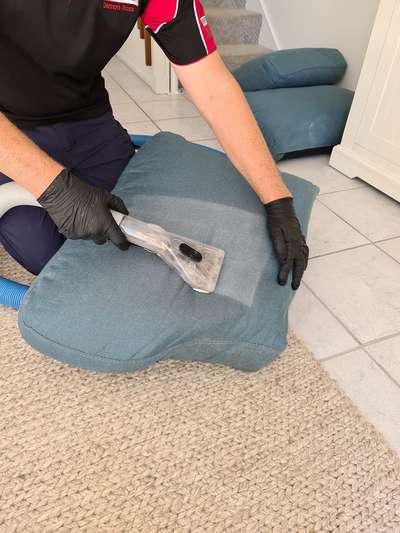
For W-code microfibre, professional hot water extraction provides a thorough, controlled clean with even moisture application and immediate extraction. For S-code or delicate microfibre, dry compound methods are used. Post-cleaning brushing restores the suede-like nap of the fabric.
The Verdict: Easier, but Not Maintenance-Free
Microfibre upholstery is genuinely easier to maintain than many traditional woven fabrics — particularly for quick spill response and everyday surface cleaning. However, it still requires regular vacuuming, appropriate stain treatment based on its cleaning code, and periodic professional cleaning to address deep-seated soiling and allergens.
The biggest mistake microfibre sofa owners make is assuming the fabric’s reputation for toughness means it requires no maintenance. Regular care keeps microfibre looking and feeling its best for years longer than neglect.
To book a professional upholstery clean or find out more, visit carpetmaster.com.au and speak with a specialist today.